The Brake System Component Most Drivers Never Think About
TLDR
- Brake fluid absorbs moisture over time, which lowers its boiling point and can cause brake fade under hard or repeated stops.
- Fluid condition is not tied to visible wear, so even well-maintained vehicles can have compromised fluid that goes unnoticed.
- Most vehicles need a full brake fluid flush every two years or 30,000 miles, not just a top-off.
Ask the average driver what brake maintenance involves and they will tell you pads and rotors. Brake fluid rarely enters the conversation. Yet without clean, properly performing fluid, your entire brake system is working at a disadvantage.
The vehicles we see most often with overlooked brake fluid are not neglected cars. They are well-maintained vehicles whose owners change the oil on schedule and rotate their tires regularly. Brake fluid simply does not have a visible reminder the way an oil change sticker does. Over our 50-plus years serving Hudsonville and the surrounding West Michigan communities, we have seen fluid that was black, thick, and loaded with moisture in vehicles that otherwise looked like they had been cared for consistently.
This article explains what brake fluid actually does, why it degrades over time, and what happens when it is neglected.
What Brake Fluid Does
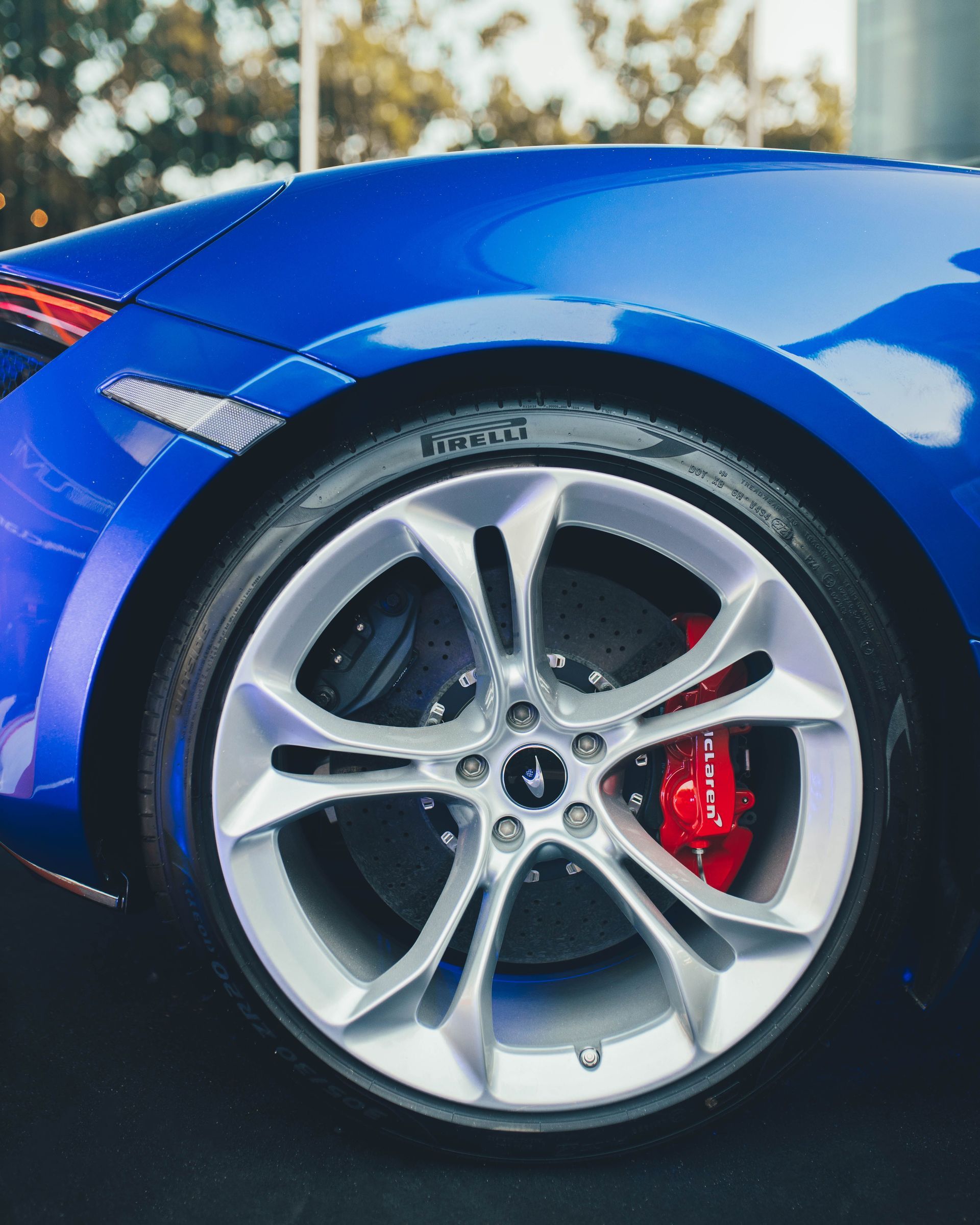
Your brake system is hydraulic. When you press the brake pedal, that force is transferred through the fluid to the brake calipers, which squeeze the pads against the rotors and slow the vehicle. Brake fluid is the medium that transmits that force.
For this to work correctly, the fluid must maintain consistent viscosity and a high boiling point. When either of those properties degrades, your braking performance suffers.
Why Brake Fluid Goes Bad
Brake fluid is hygroscopic, meaning it absorbs moisture from the air over time. Most brake systems are not fully sealed from the environment, so moisture gradually works its way into the fluid through rubber brake lines, the reservoir cap, and seals throughout the system.
Under
Federal Motor Vehicle Safety Standard 116, administered by NHTSA, DOT 3 brake fluid must meet a minimum dry boiling point of 205 degrees Celsius (401 degrees Fahrenheit). When moisture content in the fluid reaches just 3 percent, the effective boiling point can drop well below that threshold, creating a genuine safety risk under sustained or hard braking.
When fluid boils during heavy braking, it creates vapor bubbles in the lines. Vapor is compressible while fluid is not. The result is a spongy or fading brake pedal under hard braking, sometimes called brake fade. In severe cases, braking performance can be significantly compromised.
Second, water in the fluid accelerates corrosion inside the brake system. Calipers, wheel cylinders, and the master cylinder all suffer when moisture is present long term.
How Michigan Conditions Make This Worse
West Michigan's humid climate and wet winters mean that brake systems here are exposed to more moisture than in drier parts of the country. If your vehicle sits outside through the winter in Hudsonville or Jenison, or if you frequently drive in rain and snow, your fluid can absorb moisture faster than the standard service interval might account for.
We recommend checking brake fluid condition during your annual brake inspection rather than relying solely on a calendar interval.
How to Know If Your Brake Fluid Needs Service
Brake fluid is typically clear to light yellow when new. As it absorbs moisture and contaminants, it darkens to a brown or black color. If you look in the brake fluid reservoir under your hood and the fluid is dark, that is a reliable indicator it is time for a flush.
Beyond visual inspection, a simple moisture content test can measure exactly what percentage of water is in the fluid. This is something our ASE-certified technicians can do quickly during an inspection.
The signs that your fluid may be compromised include:
A soft or spongy brake pedal- Pedal travel that feels longer than normal
- Reduced braking responsiveness during repeated hard stops
- A visible drop in fluid level without an obvious leak
How Often Should Brake Fluid Be Replaced?
Most manufacturers recommend a brake fluid flush every two years or 30,000 miles, though the right interval depends on your vehicle, how you drive, and the environment. Some performance vehicles and those subjected to heavy towing may need it more frequently.
If you are not sure when your fluid was last changed, ask us. We document all service history for our customers, and if we have worked on your vehicle before, we can look it up. If you are a new customer, we can test the fluid on the spot.
FAQs
Can I just top off the brake fluid instead of flushing it?
Topping off adds fresh fluid to degraded fluid, which does not restore the boiling point or remove the moisture already present. A full flush removes the old fluid from the system and replaces it entirely. Topping off is appropriate if the level is low due to normal pad wear, but it is not a substitute for a flush.
Is all brake fluid the same?
No. Brake fluid is rated by DOT specification (DOT 3, DOT 4, DOT 5, and DOT 5.1), with each type having different boiling point ratings and compatibility requirements established under FMVSS 116. Using the wrong specification for your vehicle can cause seal degradation or reduced performance. Your owner's manual and our technicians can confirm the correct type for your car.
Does brake fluid affect ABS and traction control systems?
Yes. ABS and traction control systems rely on the same hydraulic circuit as your primary brakes. Degraded fluid can affect how the ABS modulator functions during an emergency stop. Keeping your fluid clean protects the entire braking and stability control system.
Brake fluid is a small maintenance item with a big impact on safety. If it has been more than two years since your last flush, or if you are not sure when it was done, let us take a look. Stop in any time or schedule an appointment for our
brake service in Hudsonville.
Our Location
Rozema's Car Care
Address:
2844 Port Sheldon St, Hudsonville, MI 49426
Phone Number:
(616) 669-6630
Hours: Mon/Tue/Thu 8:00 AM to 5:30 PM, Wed/Fri 8:00 AM to 5:00 PM, Sat-Sun Closed