Here Is What Our Technicians Actually Check During a Brake Inspection
TLDR
- A thorough brake inspection goes well beyond a visual check and includes precise measurements of pad thickness, rotor thickness, and runout.
- Our ASE-certified technicians also assess caliper function, brake fluid condition, brake lines, and hardware on every inspection.
- Walk-ins are welcome at our Hudsonville shop on Port Sheldon Street.
If you have ever dropped your vehicle off for a brake inspection and wondered what actually happened while you waited, this post is for you. A genuine brake inspection is more involved than a quick look through the wheel spokes. What gets checked, and how thoroughly, is the difference between catching a problem early and replacing parts that could have been saved with a few more minutes on the lift.
We have been performing brake inspections for drivers across Hudsonville, Jenison, Grandville, and the surrounding West Michigan communities since 1975. Here is what happens at our shop on Port Sheldon Street.
Why a Visual Check Is Not Enough
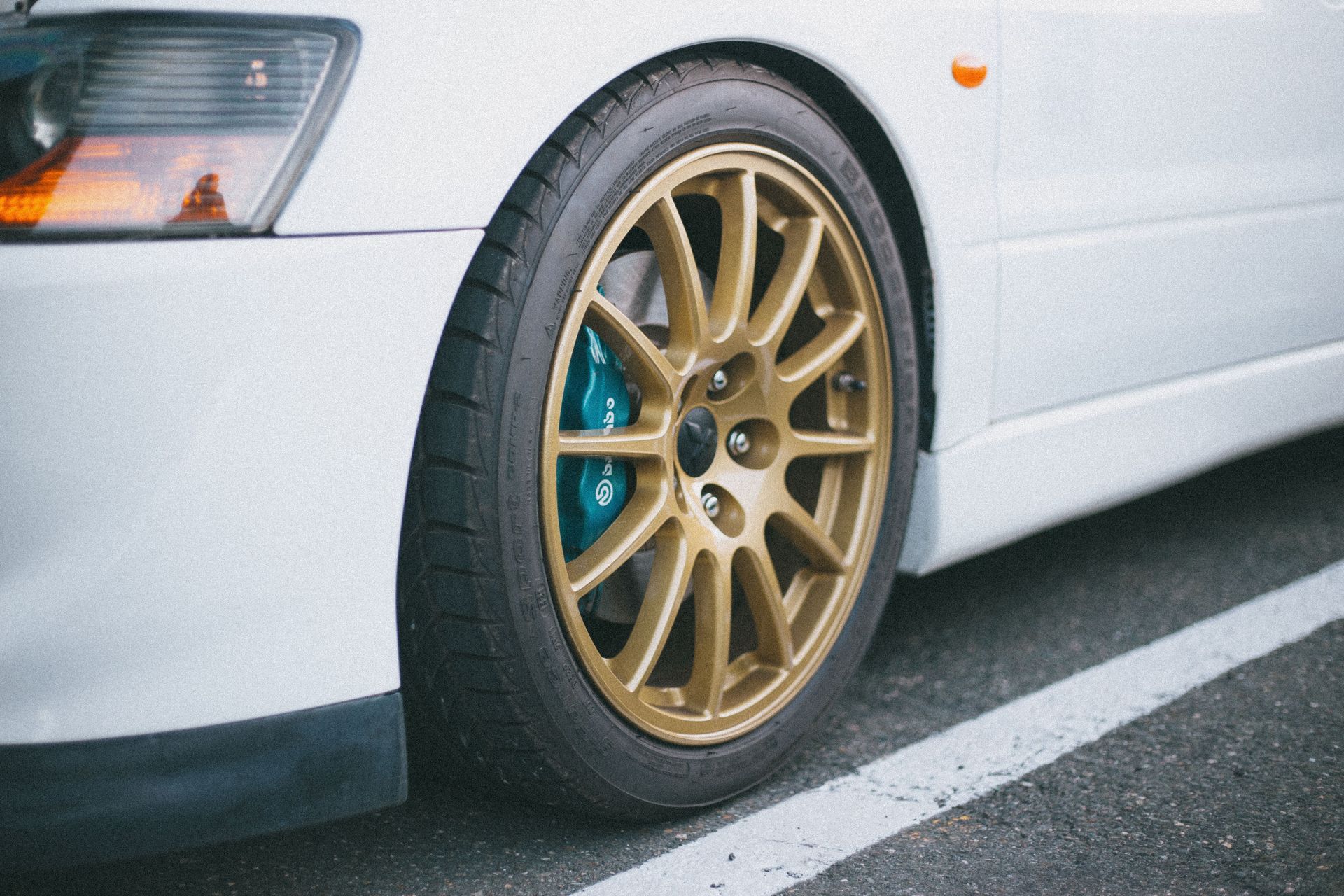
Through some wheel designs, you can see the brake pads and get a rough sense of how much friction material is left. But a visual check through the wheel misses most of what matters.
It cannot measure rotor thickness or surface variation. It cannot assess caliper function. It cannot evaluate brake fluid condition. And it cannot identify worn hardware, corroded slide pins, or cracked brake hoses that affect brake performance even when pads and rotors look acceptable from the outside.
According to the
Car Care Council's brake safety guidance, a thorough inspection should include brake lining wear, brake fluid level, rotor thickness, the condition of hoses and brake lines, and brake and dash warning lights, along with a test drive to detect other potential problems. Most of those items are part of the process we walk through below, and none of them can be judged through a wheel spoke.
A proper inspection puts the vehicle on a lift and involves physical measurement and hands-on evaluation of every component in the system.
Brake Pad Measurement
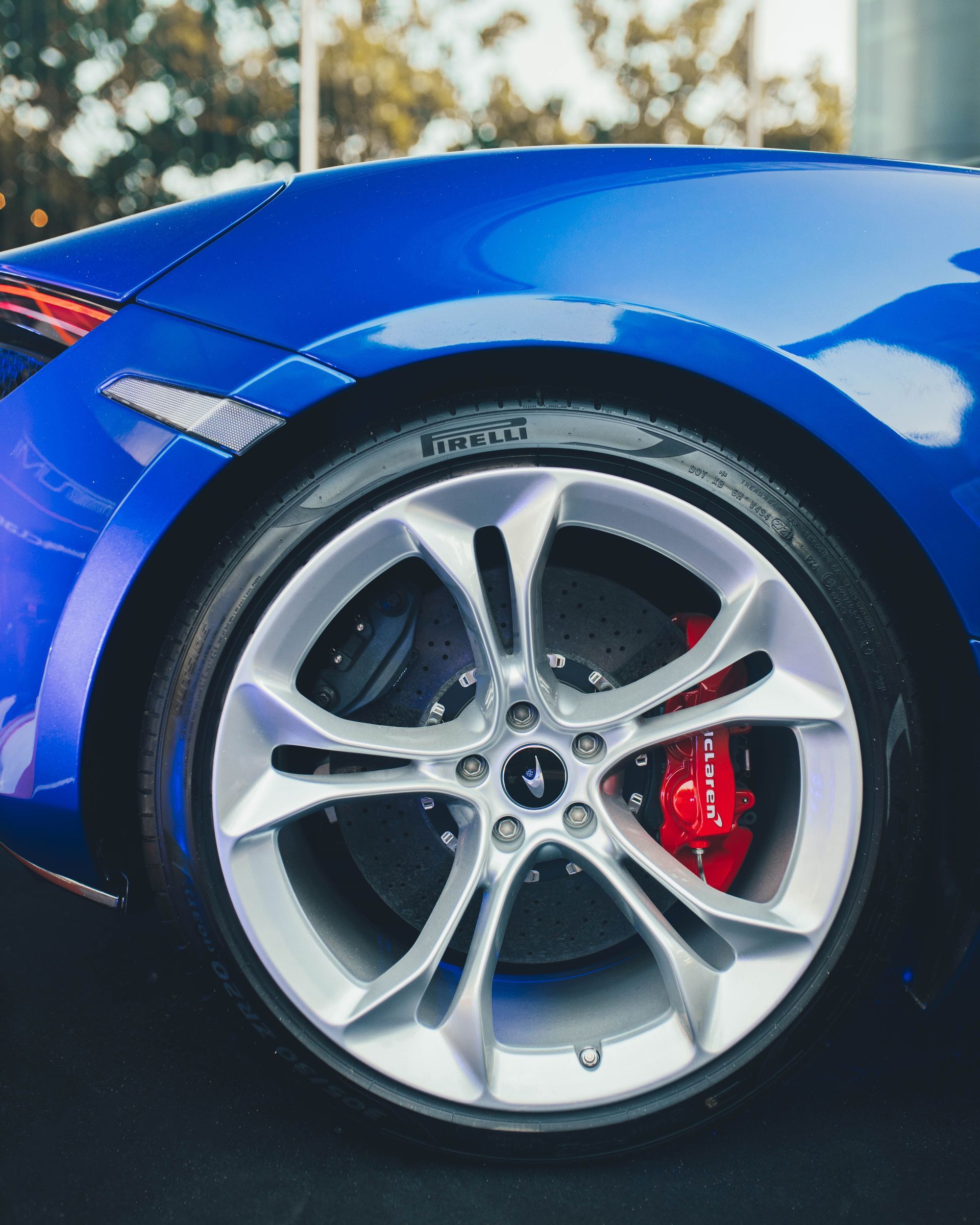
The most visible part of a brake inspection is pad thickness. Our technicians measure the friction material remaining on each pad with a brake pad gauge rather than estimating visually.
New pads typically start at 10 to 12 millimeters of friction material. The point where a pad should be replaced varies by manufacturer, so we compare every measurement to the specification for your vehicle. Pads at or near the wear indicator are flagged for replacement. Pads with several millimeters of life remaining are documented so you have a clear picture of when to expect the next service.
Front and rear pads are checked separately, since front pads typically wear faster than rear pads because of the weight transfer that occurs when stopping. We explain the physics in our post on
why front and rear brake pads wear at different rates.
Rotor Inspection and Measurement
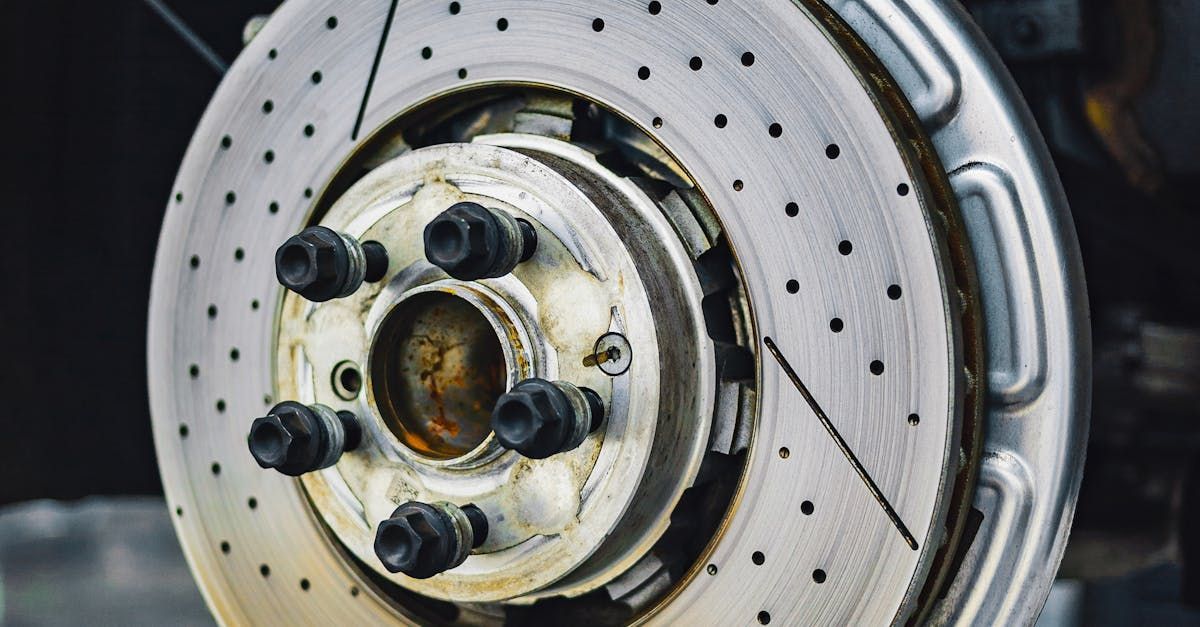
Rotor condition gets more than a visual review at our shop. Our technicians measure rotor thickness at multiple points around the surface using a micrometer.
Rotors have a manufacturer-specified minimum thickness below which they cannot safely dissipate heat or maintain structural integrity. If a rotor is at or below minimum thickness, replacement is necessary. If it is above minimum with surface scoring or minor irregularity, resurfacing may be a viable and more cost-effective option.
We also check lateral runout, which is the amount of wobble in the rotor as it rotates and can contribute to the pedal pulsation drivers often describe as warped rotors. If you have felt that pulsing, our guide to
grooved versus warped rotors explains how we tell the difference.
Caliper and Hardware Inspection
Brake calipers house the pistons that press the pads against the rotor. Caliper slide pins allow the caliper to move as pads wear. When slide pins corrode and seize, which we see frequently on West Michigan vehicles because of road salt exposure, the caliper cannot release fully after braking. That causes constant pad drag against the rotor, premature wear, reduced fuel efficiency, and heat buildup that accelerates rotor damage.
Our inspection checks caliper function and slide pin condition on every axle.
We also inspect the hardware, meaning the clips and shims that hold pads in place and dampen vibration. Worn or missing hardware is a common source of brake squealing and is often skipped when only pads and rotors are considered.
Brake Fluid Condition
Brake fluid absorbs moisture over time, which lowers its boiling point and reduces hydraulic system performance. Our inspection includes a visual check of fluid color and level as well as a moisture content test when the fluid shows signs of degradation.
Dark brown or black fluid, or fluid that tests above the recommended moisture threshold, gets flagged for a flush. This is particularly relevant in Michigan's humid climate, where brake systems are exposed to more moisture than in drier parts of the country. Our article on
why brake fluid goes bad and how often it should be flushed covers the details.
Brake Lines and Hoses
Brake lines carry fluid from the master cylinder to each wheel. In Michigan, where vehicles are exposed to road salt year after year, brake line corrosion is a genuine concern on older vehicles.
Our technicians check steel brake lines for rust and corrosion and rubber brake hoses for cracking, swelling, or deterioration. A collapsed rubber hose can restrict fluid flow and cause a soft pedal or uneven braking from one wheel, and it is not always apparent from the outside.
What You Get After the Inspection
After the inspection is complete, our service team walks you through exactly what was found. We would rather show you a measurement than ask you to take our word for it, so we document current pad thickness, rotor measurements, fluid condition, and any hardware or caliper concerns so you have a clear record of your brake system's status.
If something needs immediate attention, we explain why. If something is getting close but not urgent, we tell you that too. Our customers in Hudsonville and the surrounding area come back because we give them a straight read rather than a repair recommendation for everything we find.
Credentials You Can Check
Our team includes ASE Master Certified technicians. The ASE certification program is the national credential for automotive technicians, and we encourage every driver to ask any shop about it. Michigan also requires every repair facility to display a current license from the Michigan Department of State, and the state publishes repair facility licensing requirements along with a public listing of licensed facilities so you can confirm a shop before you hand over your keys.
FAQs
How long does a brake inspection take?
For most vehicles, a thorough inspection takes 30 to 45 minutes. If your vehicle is already in for another service, we can often include the inspection at the same time. Walk-ins are always welcome at our shop.
Should drivers get a brake inspection even if nothing feels wrong?
Yes. The Car Care Council recommends having your brake system inspected annually even if you do not suspect any problems, because not all brake problems are noticeable. Issues like rotor thickness variation, sticking calipers, and moisture-contaminated fluid often have no early symptoms, and catching them before they damage pads or rotors is significantly less expensive than waiting for a warning sign.
Do you check the parking brake as part of the inspection?
Yes. We include a check of the parking brake cable and mechanism in a full brake inspection. Parking brake cables can stretch or corrode over time, especially on vehicles that do not use the parking brake regularly.
Our team is ready to give your brakes a full inspection with no pressure and no guesswork. Schedule your brake inspection at Rozema's Car Care or stop in any time we are open.
Our Location
Address: 2844 Port Sheldon St, Hudsonville, MI 49426
Phone Number:
(616) 669-6630
Hours: Mon/Tue/Thu 8:00 AM to 5:30 PM, Wed/Fri 8:00 AM to 5:00 PM, Sat-Sun Closed