By Kory Rozema
•
September 10, 2026
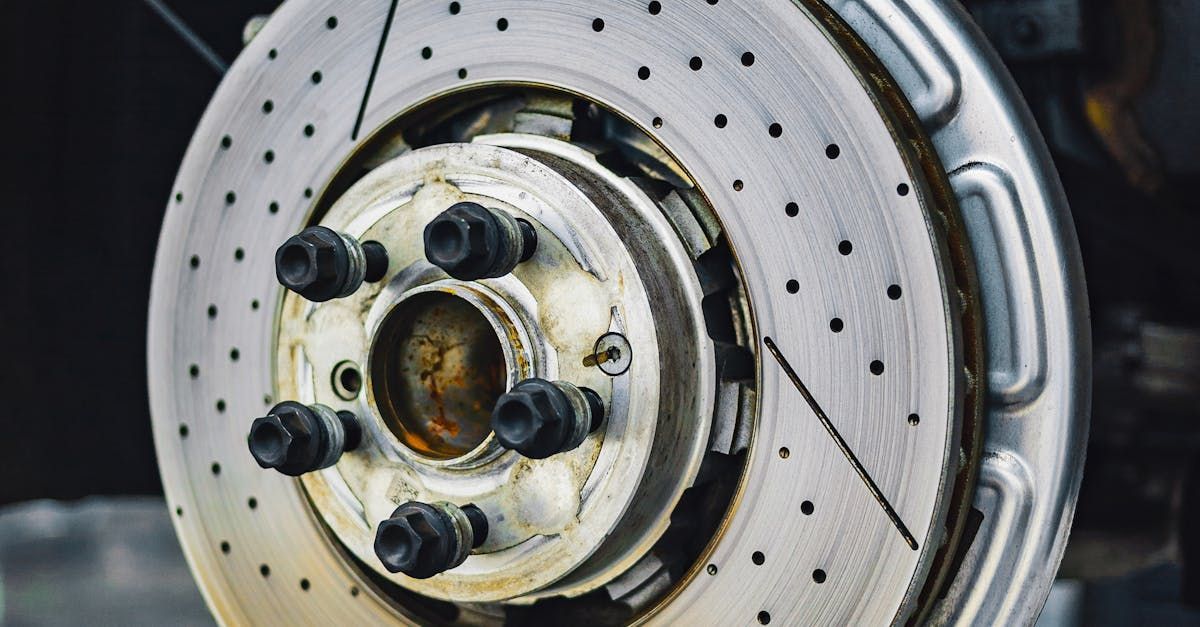
TLDR True rotor warping is rare; what most drivers feel as a pulsing pedal is usually disc thickness variation caused by uneven heat cycles. Grooved rotors are a separate problem caused by metal-on-metal contact when pads wear past their friction material. Both conditions affect braking safety and stopping distance and should be diagnosed with proper measurement rather than a visual estimate. If you have ever noticed a pulsing sensation in your brake pedal or felt vibration when slowing down, there is a good chance someone told you your rotors were warped. It is one of the most common phrases in the brake world, and it is also one of the most misused. True rotor warping, where a rotor physically bends out of flat, does happen, but it is far less common than most drivers assume. What most people experience as warped rotors is usually disc thickness variation, where the rotor surface becomes uneven in thickness due to uneven heat cycles or uneven pad material deposits. The result feels similar to warping but the cause and the repair path are different. Grooved rotors are a different problem entirely. Understanding the distinction matters because each condition has different safety implications. What Are Grooved Rotors? Grooves in a rotor surface are caused by metal-on-metal contact. When brake pads wear past their friction material, the steel backing plate contacts the rotor directly. That metal-on-metal contact cuts grooves or scoring into the rotor surface. This is the scenario behind the grinding noise you hear when braking hard. The sound is not just a warning that pads are worn. It means damage is actively happening to the rotor with every stop. Grooved rotors can sometimes be resurfaced if the damage is shallow and the rotor still has sufficient thickness above the manufacturer's minimum specification. If the grooves are deep or the rotor is at minimum thickness, replacement is the right call. We see grooved rotor damage regularly in the spring at our Hudsonville shop. Vehicles that developed a worn pad over winter but were not brought in often arrive with rotors that could have been resurfaced two months earlier but now require replacement. Catching worn pads before they reach the metal backing plate is always the less expensive outcome. What Are Warped Rotors? Grooves in a rotor surface are caused by metal-on-metal contact. When brake pads wear past their friction material, the steel backing plate contacts the rotor directly. That metal-on-metal contact cuts grooves or scoring into the rotor surface. This is the scenario behind the grinding noise you hear when braking hard. The sound is not just a warning that pads are worn. It means damage is actively happening to the rotor with every stop. If you are also seeing a dashboard light, our guide to brake warning lights explains what each one means. Grooved rotors can sometimes be resurfaced if the damage is shallow and the rotor still has sufficient thickness above the manufacturer's minimum specification. If the grooves are deep or the rotor is at minimum thickness, replacement is the right call. We see grooved rotor damage regularly in the spring at our Hudsonville shop. Vehicles that developed a worn pad over winter but were not brought in often arrive with rotors that could have been resurfaced two months earlier but now require replacement. Catching worn pads before they reach the metal backing plate is always the less expensive outcome. How Each Condition Affects Braking Safety Both grooved rotors and disc thickness variation reduce your braking effectiveness, but in different ways. Grooved rotors reduce the contact area between the pad and rotor surface, which means less friction per stop and longer stopping distances. Deep grooves also cause inconsistent braking force as the pad rides over the ridges. Disc thickness variation causes pedal pulsation that can feel alarming and reduce driver confidence during emergency stops. In vehicles with ABS, uneven rotor surfaces can affect how wheel speed sensors read rotation, which in turn affects how the ABS system responds. Replacement brake disc standards such as ECE R90 include testing requirements for lateral runout and disc thickness variation precisely because those measurements affect braking system performance. ATE Brakes , one of the leading OEM brake component manufacturers, publishes technical guidance on how these quality standards apply to replacement disc specifications, which helps explain why rotor surface uniformity matters beyond just the symptom level. Neither condition is safe to drive on long-term. Both can be caught and corrected with a proper inspection and a micrometer measurement of rotor thickness and runout. What a Proper Rotor Diagnosis Looks Like When a customer comes in reporting pedal pulsation, vibration, or grinding, our ASE-certified technicians do not stop at a visual check. We measure rotor thickness at multiple points around the surface and check lateral runout to determine whether you have surface irregularity, thickness variation, or physical damage. Those measurements tell us whether a rotor can be resurfaced and still meet minimum thickness specifications, or whether replacement is the right call. They also help us identify whether a sticking caliper or worn hardware contributed to the problem, because if the underlying cause is not addressed, the same problem returns on new rotors. ASE certification is the nationally recognized standard for automotive service excellence. Our technicians hold this credential and apply that training to every brake inspection we perform in Hudsonville. We have been diagnosing and repairing brake issues for drivers across Hudsonville, Jenison, Grandville, and the greater Grand Rapids area since 1975. A proper diagnosis up front saves money over replacing parts without understanding why they failed. FAQs Can I drive with grooved rotors if my brakes still feel okay? Grooved rotors mean the pad's metal backing plate has contacted the rotor surface. Even if braking feels functional, ongoing metal-on-metal contact causes more rotor damage with every stop. What is resurfaceable today can become a full replacement in a matter of weeks. We recommend not delaying once grinding begins. Will resurfacing fix disc thickness variation? In many cases, yes. If the rotor has enough material remaining above minimum thickness and the surface irregularity is not severe, resurfacing can restore a smooth, uniform surface. We check rotor thickness before recommending resurfacing versus replacement so you are not spending money on a part that will not deliver the expected service life. How do I know if a sticking caliper caused my rotor damage? A sticking caliper often causes uneven pad wear on one side of the rotor compared to the other, or accelerated wear on just one wheel. It can also cause a burning smell after driving at normal speeds. Our inspection checks caliper slide pins and hardware as part of any rotor diagnosis, because fixing the rotor without the caliper means the same problem typically returns. If you are hearing grinding, feeling pedal pulsation, or just not sure what is going on with your brakes, stop in and let us take a look. Our team can measure and diagnose the issue quickly and give you a clear explanation of what needs to be done. Request a brake inspection or walk in any time. Our Location Rozema's Car Care Address: 2844 Port Sheldon St, Hudsonville, MI 49426 Phone Number: (616) 669-6630 Hours: Mon/Tue/Thu 8:00 AM to 5:30 PM, Wed/Fri 8:00 AM to 5:00 PM, Sat-Sun Closed